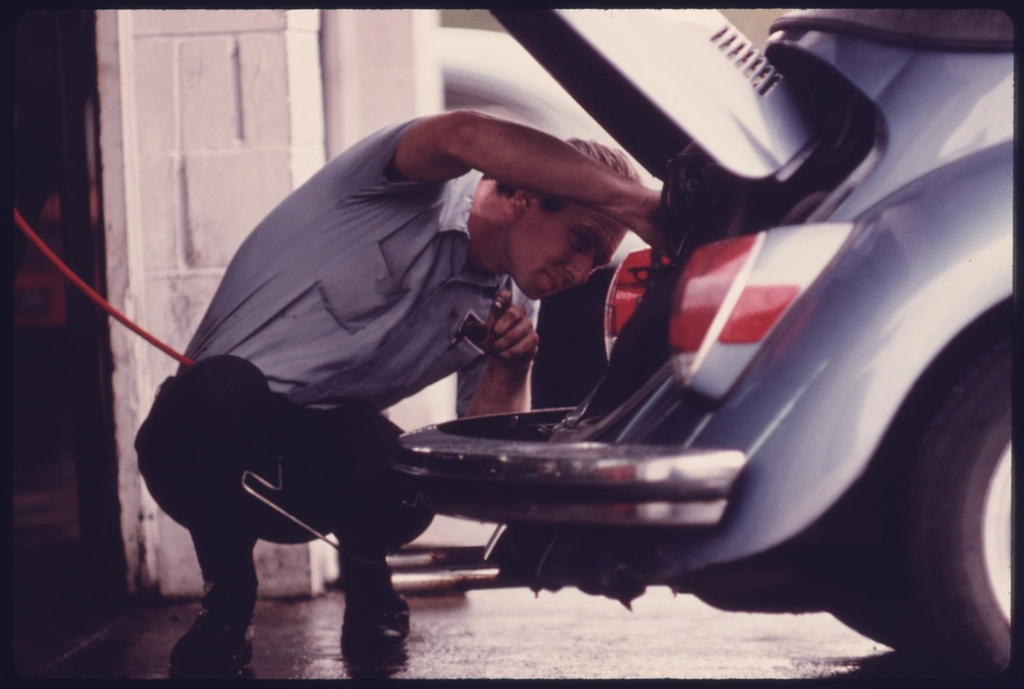
Where odometer tampering (kilometre düşürme) or a concealed fault is discovered in the sale of a used car, the consumer has the rights arising from defective goods (ayıplı mal) under Law no. 6502 on Consumer Protection (Tüketicinin Korunması Hakkında Kanun, TKHK). This article examines the concept of a latent defect (gizli ayıp) in a used car, odometer fraud, the elective remedies (seçimlik haklar) and the avenues of application.
Key Takeaways
- Odometer tampering may constitute a defect in a used car within the meaning of m. 8 of Law no. 6502.
- The consumer has four elective remedies: repair, replacement with a defect-free equivalent, reduction in price, and rescission of the contract (sözleşmeden dönme).
- Liability for defective goods is as a rule subject to a two-year statute of limitations (zamanaşımı) running from the date of delivery (TKHK m. 12).
- In 2026 the threshold for application to a provincial or district consumer arbitration committee (tüketici hakem heyeti) is 186.000 TL; disputes above that amount fall to the consumer court.
- Whether the seller is a dealership (galeri, a merchant) or a private individual may affect the scope of liability and the burden of proof.
- The vehicle inspection report (ekspertiz raporu) is a decisive item of evidence in establishing a latent defect and an odometer inconsistency.
The Concept of Defective Goods and its Statutory Basis (TKHK m. 8)
Under Article 8 of Law no. 6502 on Consumer Protection, defective goods are goods which, at the moment of delivery to the consumer, do not conform to the sample agreed between the parties or do not possess the qualities they should objectively have. Where the mileage stated for a used vehicle does not reflect reality, this may fall within that definition.
The Law also brings within the scope of defect any non-conformity with the qualities notified on the packaging of the goods, in their listing or advertisement, or orally by the seller. Since the mileage information given in used car listings is a quality notified by the seller, where that information does not reflect reality an assessment may be made under Article 8. Material deficiencies which fail to meet the ordinary purpose of use of the goods or which reduce the consumer’s reasonable expectation are likewise regarded as rendering the goods defective. For a detailed assessment of the subject you may consult our consumer law practice page.
In connection with this subject you may wish to read our article on the liability of the merchant in commercial sales and the collection of receivables.
Is an Exclusion of Liability Clause in the Sale Contract Valid?
Sale contracts sometimes contain clauses excluding liability for defects, such as “the vehicle has been purchased as seen and in its present condition”. Clauses of this kind are not accepted as valid where the seller has concealed the defect by fraud or is guilty of gross fault.
When the general provisions of the Turkish Code of Obligations (Türk Borçlar Kanunu, TBK) are read together with the consumer-protective provisions of Law no. 6502, a seller who conceals from the consumer a defect he knows or ought to know of cannot rely on an exclusion of liability clause in the contract. Since odometer tampering is by its nature an operation carried out with the seller’s knowledge, it is accepted that a clause of this kind cannot legitimise odometer fraud. How the wording of the contract is to be construed in a particular case must be assessed separately according to the circumstances of that file.
The Difference Between a Latent Defect and an Apparent Defect
An apparent defect (açık ayıp) is a fault that can be noticed on ordinary inspection at the time of purchase; a latent defect is one that emerges only during use or on technical examination. Odometer tampering is generally in the nature of a latent defect, because it cannot be detected by the naked eye.
An engine fault, chassis damage or an odometer inconsistency in a vehicle is regarded as a latent defect so long as it is not visible at the moment of delivery. The consumer is expected to notify the seller of a latent defect within a reasonable time from the moment he becomes aware of it; this notification obligation is assessed within the framework of TKHK m. 9 and the general provisions. In the case of apparent defects, a consumer’s failure to object at the time of delivery may make it harder to raise a defect claim later on.
Odometer Tampering (Odometer Fraud) in Used Cars
Odometer tampering is the operation of reducing the vehicle’s actual distance travelled by falsifying the instrument panel. It has a distinct legal dimension capable of producing consequences both in consumer law and in criminal law, and it is information that directly affects the decision to purchase.
The Place of Odometer Fraud in Consumer Law
Mileage is a fundamental datum showing the degree of wear and the value of a vehicle. Where the mileage notified by the seller does not reflect reality, this constitutes a defect within the scope of TKHK m. 8 and gives the consumer the opportunity to exercise the elective remedies in m. 11. Moreover, where odometer fraud is carried out knowingly by the seller, this may result in the two-year limitation period laid down in TKHK m. 12 not being applied; the Law does not apply that period in cases of fraud or gross fault.
The Criminal Law Dimension of Odometer Fraud
Depending on the features of the particular case, odometer tampering may be seen as capable of raising the offences of fraud or of forgery of documents under the Turkish Criminal Code (Türk Ceza Kanunu, TCK). This is general information; whether a criminal law dimension exists in a given case, and which type of offence may arise, must be assessed separately on the basis of the concrete evidence in the file (such as the vehicle inspection report, the service records and the text of the listing). The consumer law application and the criminal complaint are separate processes that proceed independently of one another.
Methods of Detecting an Odometer Inconsistency
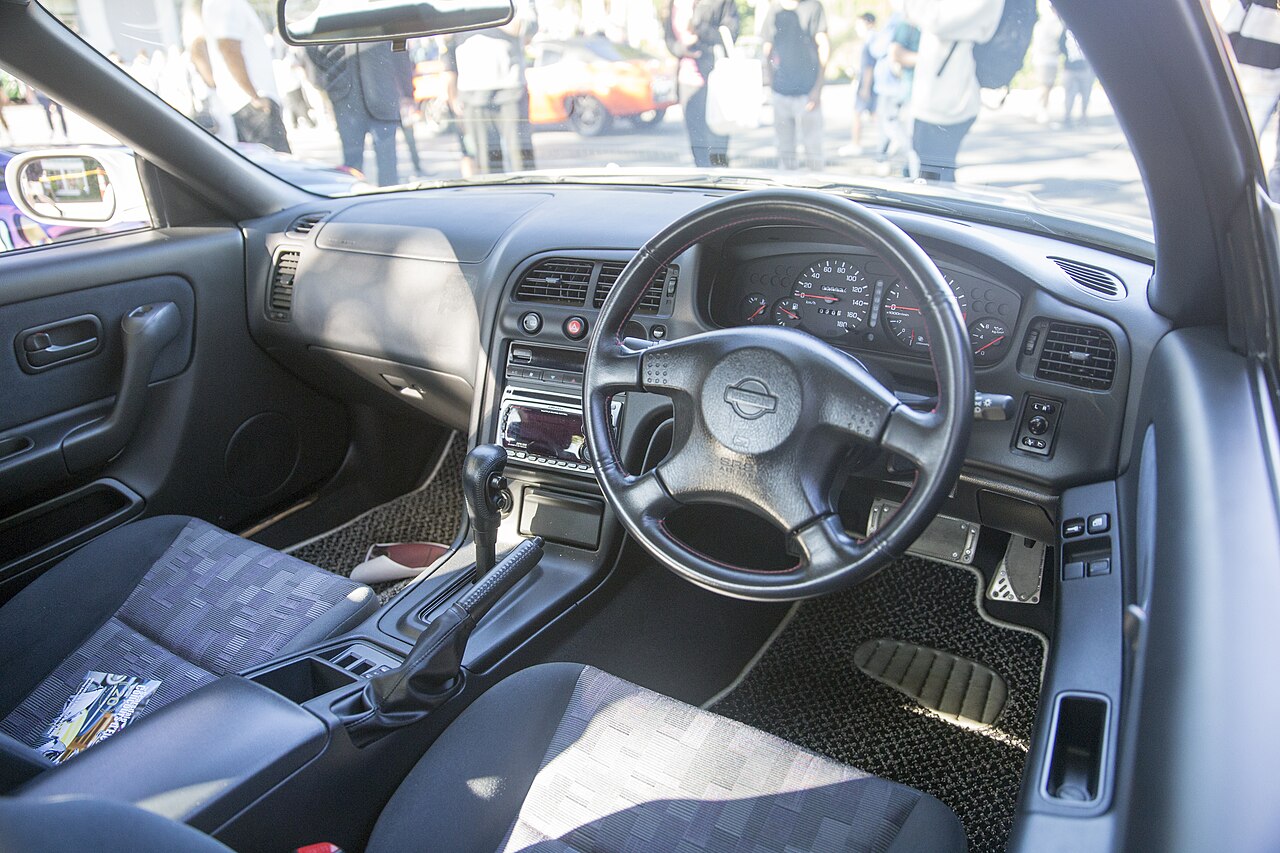
More than one method may be used together in detecting odometer fraud. The mileage figures appearing in the vehicle’s periodic maintenance and service records, its insurance inspection history and the records of official inspection stations can be compared with the value on the instrument panel in order to establish an inconsistency. Independent inspection centres can also detect traces of tampering by reading the electronic memory of the odometer.
Bringing these documents together both allows the risk to be seen before purchase and forms a strong set of evidence in any dispute brought later. The consumer’s requesting these records before the sale is an important step that makes proof of a possible future defect claim easier.
The Consumer’s Elective Remedies (TKHK m. 11)
Where a defective vehicle is identified, the consumer may exercise one of four elective remedies: free repair, replacement with a defect-free equivalent, a reduction in price in proportion to the defect, or rescission of the contract. The consumer is free to choose whichever of these rights he wishes, and the seller is obliged to satisfy the claim chosen.
| Elective Remedy | Explanation |
|---|---|
| Free repair | A claim for the defect in the vehicle to be remedied without charge by the seller, the producer or the importer |
| Replacement with a defect-free equivalent | A claim for the vehicle to be replaced, where possible, with a defect-free equivalent |
| Reduction in price | A claim to keep the vehicle and obtain a reduction from the sale price in proportion to the defect |
| Rescission of the contract | A claim for the return of the whole of the price paid against return of the vehicle |
Where repair or replacement is chosen, that operation must be carried out without labour, materials or other costs being claimed from the consumer. Where rescission of the contract or a reduction in price is chosen, the whole of the price paid, or the amount of the reduction, is returned to the consumer immediately. Which elective remedy is more suitable in a particular file is determined by taking into account the damage to the vehicle and its diminished value.
Notification of the Defect, the Burden of Proof and the Limitation Period
Under TKHK m. 10, defects that emerge within six months of delivery of the goods are presumed to have existed at the date of delivery; after that period the burden of proving the existence of the defect may pass to the consumer. In cases of odometer fraud, inspection and service records are items of evidence that make this proof easier.
Under TKHK m. 12, liability for defective goods is, unless otherwise agreed, subject to a two-year limitation period running from the date on which the goods are delivered to the consumer. However, where the seller is guilty of gross fault or has concealed the defect by fraud, that limitation period does not apply. In claims of odometer tampering, the presence of the element of fraud is a matter that directly affects the validity of a limitation defence and must be assessed on the facts of the particular file.
The two-year period begins to run from the date on which the vehicle is actually delivered to the consumer; it is sufficient for the defect to emerge at any moment within that period. The consumer is expected to notify the seller within a reasonable time after learning of the defect; otherwise claims of forfeiture of rights may arise within the framework of the rules of good faith. If the plea of limitation (zamanaşımı def’i) is not raised by the seller, the court or the arbitration committee does not take it into account of its own motion; for this reason the procedural aspect of the process may also affect the course of the file.
Consumer Arbitration Committee or Consumer Court? (The 2026 Monetary Threshold)
The value of the dispute determines the authority to which application is to be made. By the communiqué of the Ticaret Bakanlığı (the Ministry of Trade) published in Resmî Gazete (the Official Gazette) no. 33116 of 23/12/2025, the threshold for application to provincial and district consumer arbitration committees for 2026 has been set at 186.000 TL; in disputes below that amount application to the arbitration committee is mandatory.
| Criterion | Consumer Arbitration Committee | Consumer Court |
|---|---|---|
| 2026 monetary threshold | Competent in disputes below 186.000 TL | Competent in disputes of 186.000 TL and above |
| Form of application | Written application; no court fee required | Commenced by a statement of claim; subject to the rules of civil procedure |
| Objection to the decision | An objection may be brought against the decision before the consumer court | May be subject to the appellate remedies (istinaf/temyiz) |
This monetary threshold is updated each year by the Ministry of Trade according to the revaluation rate; the figure of 149.000 TL applicable in 2025 was raised in 2026, by an increase of 25,49 per cent, to 186.000 TL. In determining the value of a particular dispute, the sale price of the vehicle or the amount of the reduction in price or of the compensation claimed is taken as the basis.
The communiqué publishes the relevant amounts in the Official Gazette in December of each year and brings them into force for the following calendar year. For this reason, checking the communiqué for the current year when determining the authority to apply to prevents one from acting on an outdated figure. In used vehicle disputes the amount claimed may be calculated according to items such as the current sale value of the vehicle, the reduction in price made or the claim for return of the price.
Buying from a Dealership or from a Private Individual: The Difference in the Seller’s Liability
Where a used vehicle has been bought from a dealership (a merchant) that sells vehicles as a commercial activity, the provisions of the TKHK apply directly and the seller is, in his capacity as a merchant, under a heavier duty of care. In sales made by a private individual (a person who is not a merchant), whether the transaction is to be regarded as a consumer transaction is assessed according to the particular case.
In sales made through a dealership, the dealership is under an obligation to check the vehicle before taking delivery of it and to give accurate information; where odometer tampering has been carried out knowingly by the dealership, this may be subject to a separate assessment. In sales between two natural persons who are not merchants, the applicability of the TKHK depends on whether the seller was acting within the scope of a professional activity; this distinction is important in determining the legal avenue to be followed.
When selling to a third party a vehicle taken over from its previous owner, a dealership acts in its own name in the capacity of seller, and for that reason it may be regarded as obliged to verify the vehicle’s mileage information within its own organisation as well. In sales by a private individual, whether the seller knew the previous mileage figure, or had the opportunity to investigate it, is a factor affecting the scope of liability. In both situations, having an independent examination carried out before the sale is important for the consumer in terms of preventing possible future disputes.
For the fees payable in the course of bringing an action against a decision of the arbitration committee, you may use our court fee calculation tool.
Steps for Applying to the Consumer Arbitration Committee
Application to a provincial or district consumer arbitration committee is made by written petition to the committee at the place of residence or at the place where the purchase took place. The claim must be clearly stated in the petition and the supporting documents must be submitted in full.
At the time of application, the sale contract or invoice, a printout of the listing, the vehicle inspection report, any service and maintenance records and the correspondence with the seller are added to the file. The arbitration committee may examine the matter on the file, and may also, where necessary, have recourse to an examination by a court-appointed expert (bilirkişi). The committee’s decision is notified to the parties and an objection may be brought against it before the consumer court. Where the value of the dispute exceeds the threshold of 186.000 TL, the application is made by bringing an action directly before the consumer court. The question of who pays the opposing party’s attorney fee where a party loses at the end of the action is a separate matter that determines the scope of the litigation costs.
The Importance of the Vehicle Inspection Report
A vehicle inspection report is a technical document that sets out, before purchase, the true condition of the vehicle, the information on paintwork and replaced parts, and the consistency of the mileage. In the event of a dispute, the inspection report is accepted as one of the strongest items of evidence showing the existence of a latent defect or of odometer fraud.
Obtaining a report from an independent inspection centre before purchase helps both to make a sound purchasing decision and to create evidence for a dispute that may arise later. When the vehicle’s comprehensive insurance (kasko) or damage insurance records are examined, one may also encounter situations in which the insurance company refuses to pay the damage amount; on the course to be followed in disagreements of that kind, our article titled if the insurance company refuses to pay may offer guidance. Where a suspicion of a defect arises after the sale, the mileage consistency of the vehicle and the condition of its chassis and engine may be examined again by means of a second inspection report. These reports may also form the basis for an examination by a technical court-appointed expert in proceedings before the arbitration committee or the court.
The date of the inspection report, the devices with which the examination was carried out and the independence of the body that issued the report are factors affecting the evidential value of the report. Even where an inspection report submitted by the seller exists, obtaining a further report from an independent centre of the consumer’s own choosing is a preferable method in terms of avoiding possible conflicts of interest. In the course of the dispute the committee or the court may also, if it considers it necessary, have an official expert examination carried out.
The Application and Litigation Process: Practical Steps
Where a suspicion of a latent defect or of odometer fraud arises, the situation should first be notified to the seller in writing and the elective remedy claimed should be clearly stated. Obtaining an independent vehicle inspection report thereafter is important in terms of strengthening the securing of evidence.
If the value of the dispute is below 186.000 TL, application is made to the provincial or district consumer arbitration committee; if it is above that figure, to the consumer court. Where the judgment or the decision of the arbitration committee has become final but the seller does not make payment, the creditor may commence enforcement proceedings (icra takibi); at this stage it is also useful for the other party to know the time limit for objecting to enforcement proceedings in order to understand how the process will unfold. The sale contract, images of the listing, the vehicle inspection report and any correspondence should be submitted as evidence in the application petition. Your particular situation needs to be assessed on the facts of your own file; since the damage history and the sale conditions of each vehicle may differ, the process takes shape according to the file. For detailed information about the process you may consult our work in the field of consumer law, and you may reach us through our contact page with your questions.
Illustrative Case (Hypothetical)
The case set out below is entirely fictitious and illustrative; it does not reflect a real file. A consumer bought from a dealer a vehicle stated in the listing as having 90.000 km, and a few months later established from the service records that the actual mileage of the vehicle was much higher. The odometer inconsistency was documented by a vehicle inspection report and the consumer, giving written notice to the seller, stated that he wished to exercise the right of rescission of the contract. Since the value of the dispute remained below the arbitration committee threshold, the application was made to the provincial consumer arbitration committee. This example is given in order to show the general working of the process; the outcome of each file varies according to the concrete evidence and the features of the case.
For other related topics you may consult our article explaining the process of bringing an action against administrative fines and our related practice page. For current data, the sources of the Gelir İdaresi Başkanlığı (the Revenue Administration) and Adalet Bakanlığı (the Ministry of Justice) have been taken as the basis.
A claim that the vehicle has lost value because of its traffic accident history is a separate matter of compensation; on this subject you may look at our article on compensation for diminished value. You may reach the current text of the Law on Consumer Protection from the legislation page of the TBMM (the Grand National Assembly of Türkiye).
What Will the Other Side Do?
In used vehicle disputes the seller too has a defence strategy of his own; being prepared for that strategy in advance shapes the course of the proceedings before the arbitration committee or the court.
- It may be argued that the vehicle was sold “as seen and in its present condition” and that the exclusion of liability clause is valid. Against this, by submitting the vehicle inspection report and the service records showing that the seller knew or ought to have known of the defect, it is established that in cases of fraud or gross fault such a clause is invalid.
- It may be argued that the mileage information was taken over from the previous owner and that the seller was unaware of it. This defence is met by showing the dealership’s obligation to check the vehicle before taking delivery of it and to give accurate information, and that the service and inspection records were accessible to the seller as well.
- It may be argued that the two-year limitation period has expired. It is established, by means of a document showing the date of delivery, that the calculation has been made correctly and that where there is fraud or gross fault the limitation period will not apply.
- It may be argued that the defect arose after delivery, during use. Emphasis is placed on the presumption that defects emerging within six months of delivery existed at the moment of delivery, and on the fact that during that period the burden of proof lies with the seller.
- It may be argued that the sale is not to be regarded as a consumer transaction and that the TKHK cannot be applied. This claim is assessed by investigating whether the seller was acting within the scope of a professional activity (dealership registration, repeated sales activity).
Which defence comes to the fore varies according to whether the sale was made by a dealership or by a private individual and according to the documents available; for this reason it is important that the vehicle inspection report and the service records be collected before the application. To assess in advance which defence your file will meet, you may get in touch with us.
Frequently Asked Questions
Is odometer tampering in a used car regarded as a latent defect?
Since odometer tampering constitutes a non-conformity with the quality notified by the seller, it is generally assessed as a defect within the scope of m. 8 of Law no. 6502; the concrete finding is made by means of a vehicle inspection report.
Which elective remedy should I choose for a defective vehicle?
The Law gives the consumer a choice between repair, replacement, a reduction in price and rescission of the contract; which is suitable varies according to the damage to the vehicle and must be assessed on the facts of the particular file.
What is the limitation period for liability for defective goods?
Under TKHK m. 12 it is as a rule two years from the date of delivery; however, where the seller is guilty of fraud or gross fault, that period does not apply.
What is the threshold for application to a consumer arbitration committee in 2026?
Under the communiqué of the Ministry of Trade published in Official Gazette no. 33116 of 23/12/2025, the provincial and district arbitration committee threshold in 2026 is 186.000 TL.
If odometer fraud comes to light in a vehicle I bought from a private individual, does the TKHK apply?
Whether the seller is a merchant and whether the transaction has the character of a consumer transaction are assessed according to the particular case; for this reason the file needs to be examined separately.
Can I bring an action without obtaining a vehicle inspection report?
A vehicle inspection report is not a mandatory condition of the action, but it is an important item of evidence that strengthens proof of a latent defect, and its absence may weaken the claim.
Can a criminal complaint also be made against a seller who commits odometer fraud?
Depending on the evidence in the particular case, a separate process may arise within the scope of criminal law; this requires an assessment independent of the consumer law application.
Can an objection be brought against a decision of the arbitration committee?
Yes; if one of the parties does not find the decision of the arbitration committee sufficient, it may pursue the avenue of objection against the decision before the consumer court.
Related Articles and Sources
In connection with this subject, our articles titled compensation for the diminished value of a vehicle and determination of fault in a traffic accident also contain useful information. For following current data and legislation, the sources of the Türkiye Barolar Birliği (the Union of Turkish Bar Associations) and the Yargıtay (the Court of Cassation) Decision Search System may be used.
Time Limits Table
| Time limit | How long | Starting point |
|---|---|---|
| Presumption that the defect existed at the moment of delivery | 6 months | From the date of delivery |
| Limitation period for liability for defective goods | 2 years | From the date of delivery |
Sources
- Mevzuat Bilgi Sistemi (the Legislation Information System, mevzuat.gov.tr)
- Ticaret Bakanlığı (the Ministry of Trade)
- Gelir İdaresi Başkanlığı (GİB, the Revenue Administration)
- Adalet Bakanlığı (the Ministry of Justice)
- tbmm.gov.tr
- Türkiye Barolar Birliği (the Union of Turkish Bar Associations)
- Yargıtay (the Court of Cassation) Decision Search System
- Compensation for Loss of Support: Who Can Claim It and How Is It Determined?
Related Articles
- Collection of a Commercial Receivable: From Notice to Enforcement, Step by Step
- Who Pays the Opposing Party’s Attorney Fee? (2026 AAÜT Guide)
- If the Insurance Company Refuses to Pay: Arbitration or Court?
- Time Limit and Consequences of Objecting to Enforcement Proceedings: 2026 Guide
- Action Against a Tax or Administrative Fine: Time Limits and Stay of Execution
- Compensation for Diminished Value 2026: Application, Insurance Arbitration and Court
- Objecting to the Determination of Fault in a Traffic Accident: Report, Expert, Action
This article is for general information purposes and does not take the place of legal advice. Your particular situation requires a separate assessment of your file.
This article has been prepared on the basis of the legislation in force as at 17.09.2026.
KCD Hukuk
Find out about our firm